If you're a business in Doha, Al Rayyan, Al Wakrah or Lusail evaluating whether to outsource a .NET project, "why should I hire this specific person" is a fair question — and a better one than most outsourcing pitches actually answer. Here's my honest case, along with the questions I'd encourage you to ask any developer you're considering, not just me.
1. Microsoft-Certified, Not Self-Taught Marketing
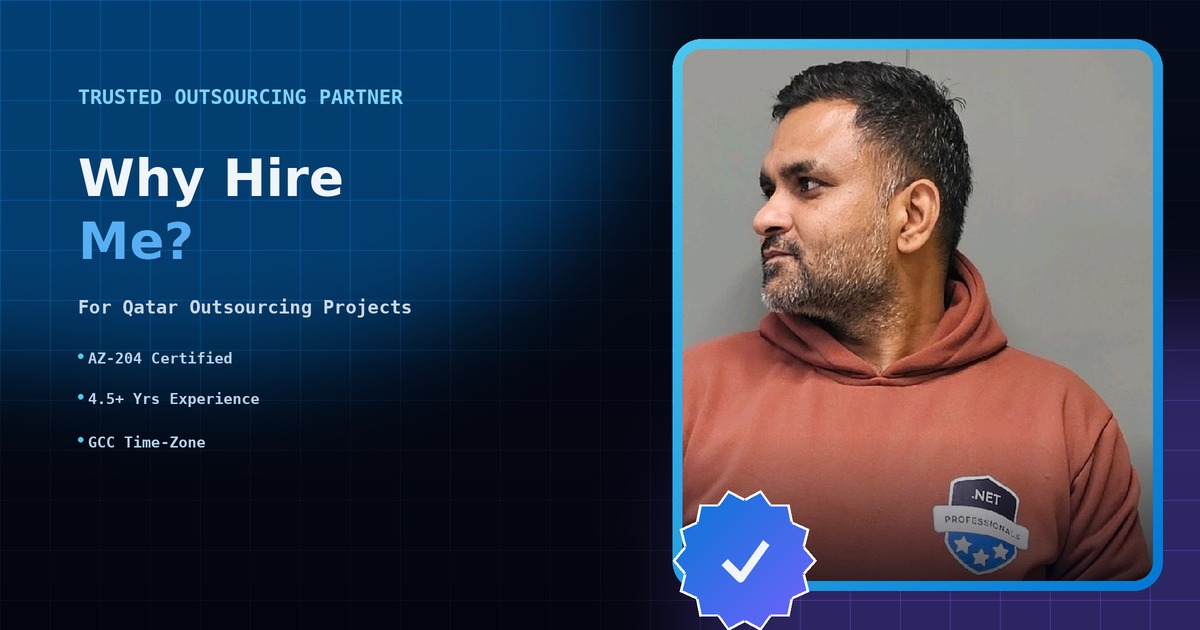
I hold the Microsoft Certified: Azure Developer Associate (AZ-204) certification, which covers designing, building, testing and maintaining cloud applications and services on Microsoft Azure. It's not a substitute for experience, but it does mean the fundamentals of secure, cloud-native .NET development are independently verified — not just claimed on a profile page.
2. 4.5+ Years Building Production Enterprise Systems
My work has focused on enterprise-grade applications — inventory platforms, restaurant POS systems, billing and reporting portals — built on ASP.NET Core, React, SQL Server and Azure. I've shipped 250+ enterprise APIs across these projects. That's not a vanity number; it reflects a lot of repetition on the parts that are easy to get wrong: authentication, authorization, database performance, and deployment pipelines.
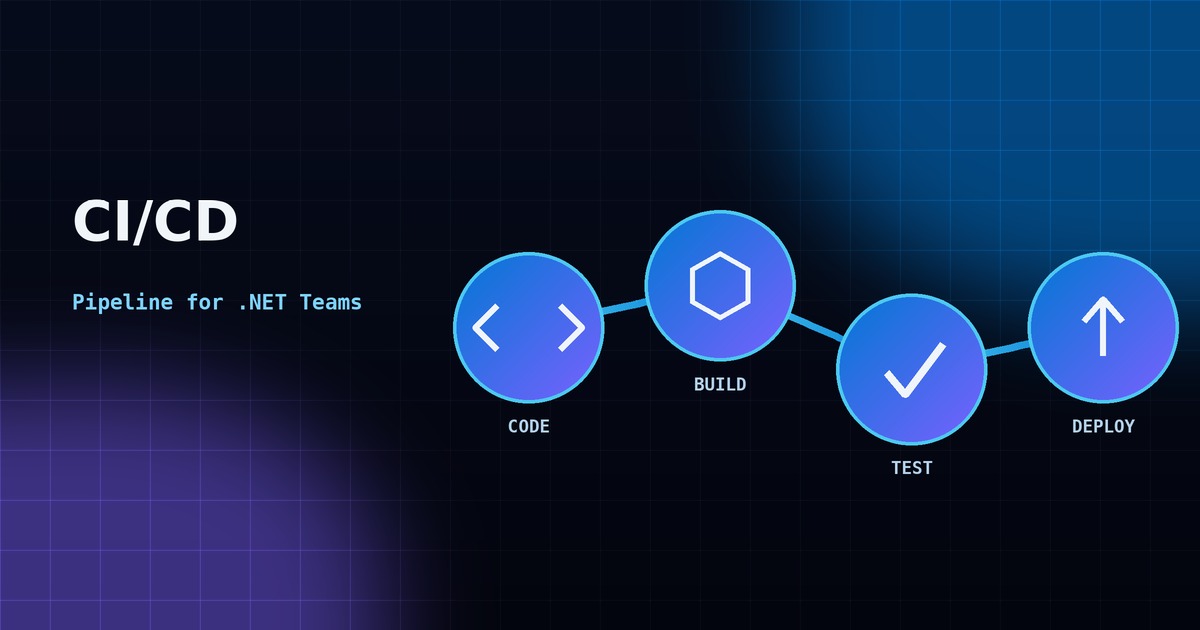
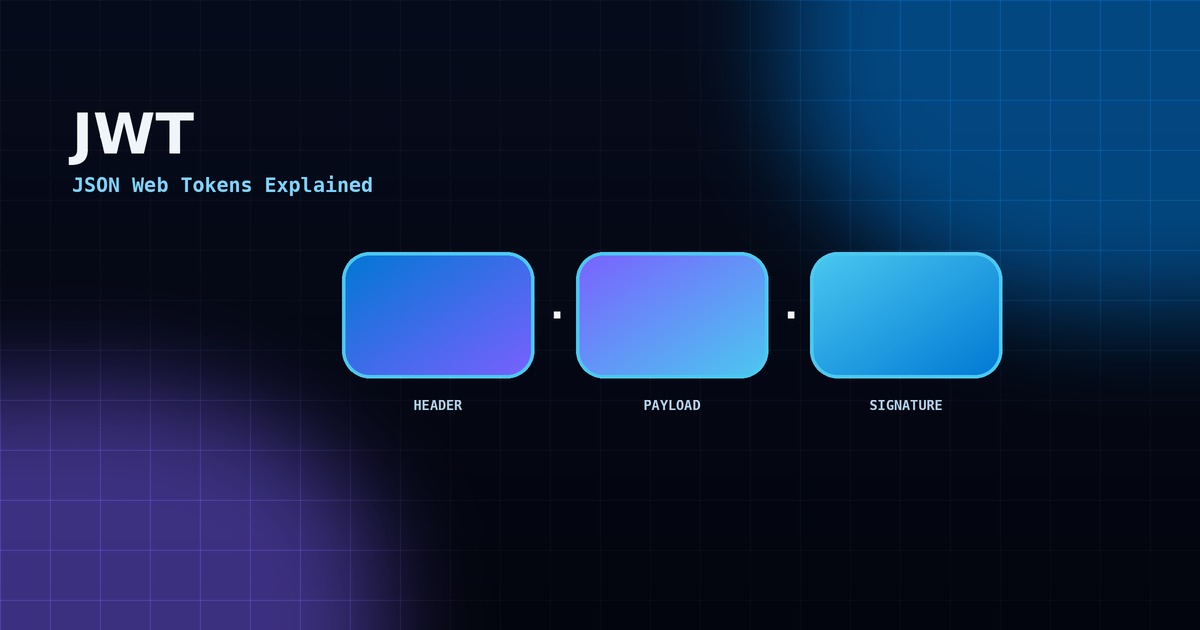
I've written about several of these directly — see the JWT authentication and authentication vs authorization guides for a sense of how I think about security, and the CI/CD pipeline guide for how I think about delivery process.
3. GCC-Friendly Working Hours, Not "Somewhere in a Different Time Zone"
India (IST, UTC+5:30) and Qatar (AST, UTC+3) overlap for most of the standard business day. That means daily stand-ups, sprint demos, and urgent bug reports can happen during your normal working hours — not at 2am your time, which is a real friction point with outsourcing to further-away regions.
4. Direct Communication, No Account-Manager Layer
When you hire through a large outsourcing agency, there's often a sales contact, a project manager, and only then the actual developer — each layer adds latency and a small amount of lost context. Working with me, you talk directly to the person writing the code. Questions get answered same-day, not "let me check with the team and get back to you."
5. A Process You Can Verify, Not Just Trust
Every engagement starts with a signed NDA. Code lives in your own GitHub or Azure DevOps repository from day one — not mine. Pull requests are reviewed and (where useful) run through an automated CI/CD pipeline before merging, so progress is visible in commits and passing checks, not just in what I tell you during a call.
The honest caveat: I'm one experienced developer, not a 50-person agency. For most business web applications, internal tools, POS systems, and API-driven products, that's a feature — direct accountability, no hand-offs. For very large-scale, multi-team enterprise builds needing a dozen developers in parallel, I bring in vetted collaborators for additional hands, but I'll tell you clearly if a project has outgrown that model rather than overpromising.
Questions Worth Asking Any Outsourced Developer (Including Me)
- Can I see real code samples or a GitHub profile, not just a portfolio description?
- Will source control live in my repository from day one?
- What's the communication cadence — daily stand-ups, weekly demos, async updates?
- Is there a signed NDA and, if needed, an IP-assignment clause before work starts?
- What happens if the project scope grows beyond one developer's bandwidth?
If a candidate can't answer these clearly, that's worth noticing before you commit budget and timeline to them.
What Working Together Actually Looks Like
A short discovery call, a written proposal with a fixed-price or hourly quote, an NDA, then weekly sprint demos until launch, followed by an ongoing support option. No long sales cycle, no hidden layers — just a straightforward, verifiable way to get ASP.NET Core, React, SQL Server or Azure work done remotely.